
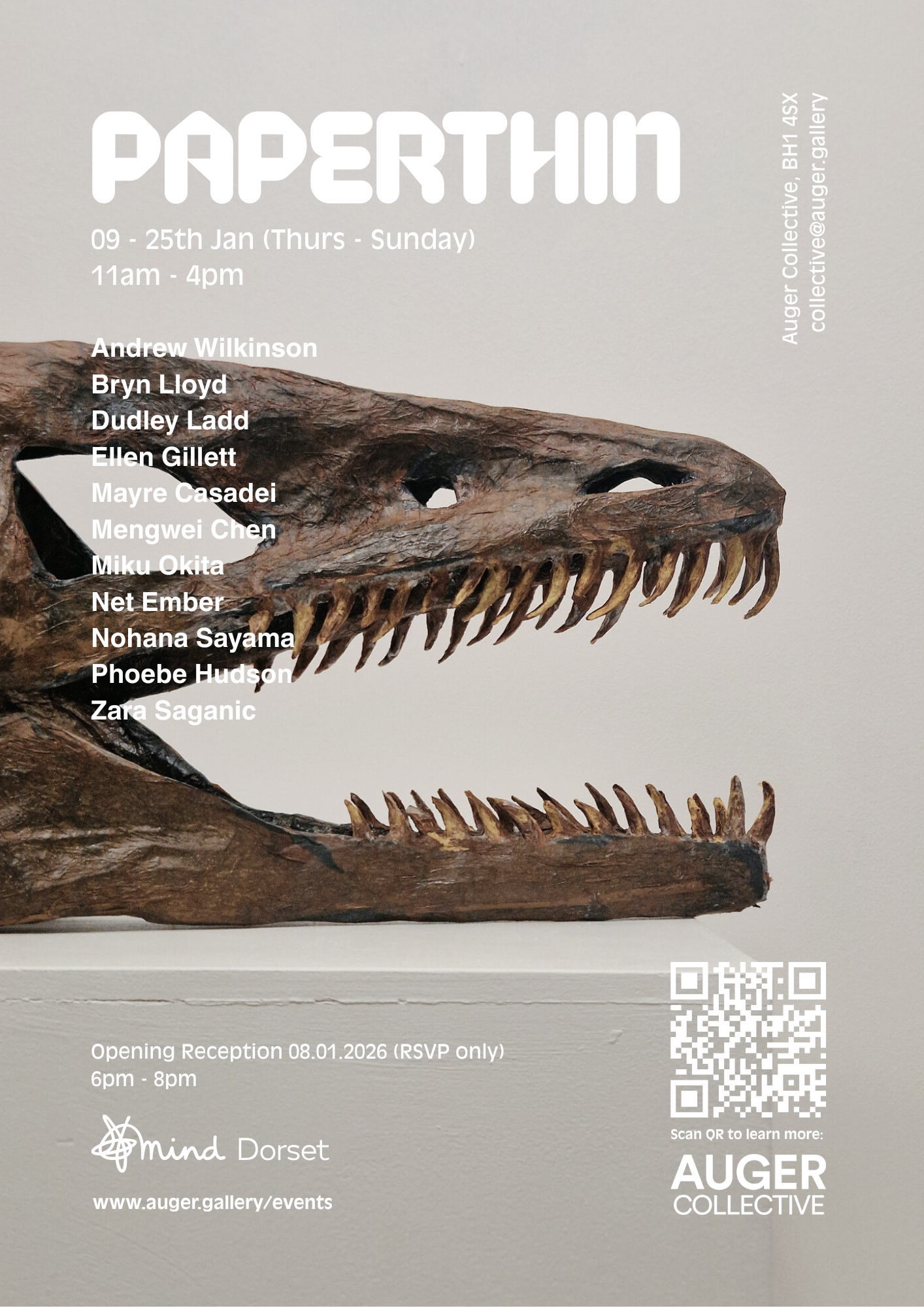
Paper Thin is a group exhibition celebrating the fragile, transformative, and inventive potential of society. Using paper as a reflection for technology.
Curated by AUGER Collective
Andrew Wilkinson
Bryn Lloyd
Dudley Ladd
Ellen Gillett
Mayre Casadei
Mengwei Chen
Miku Okita
Net Ember
Nohana Sayama
Phoebe Hudson
Zara Saganic
Exhibition opens: 09.01.2026 - 25.01.2026
11am - 5pm
Thurs - Sun
Join us Thursday 8th January for the opening reception of PAPER THIN.
08.01.2026
6pm - 8pm
Free RSVP via collective@auger.gallery
Img’s: @negativesadie
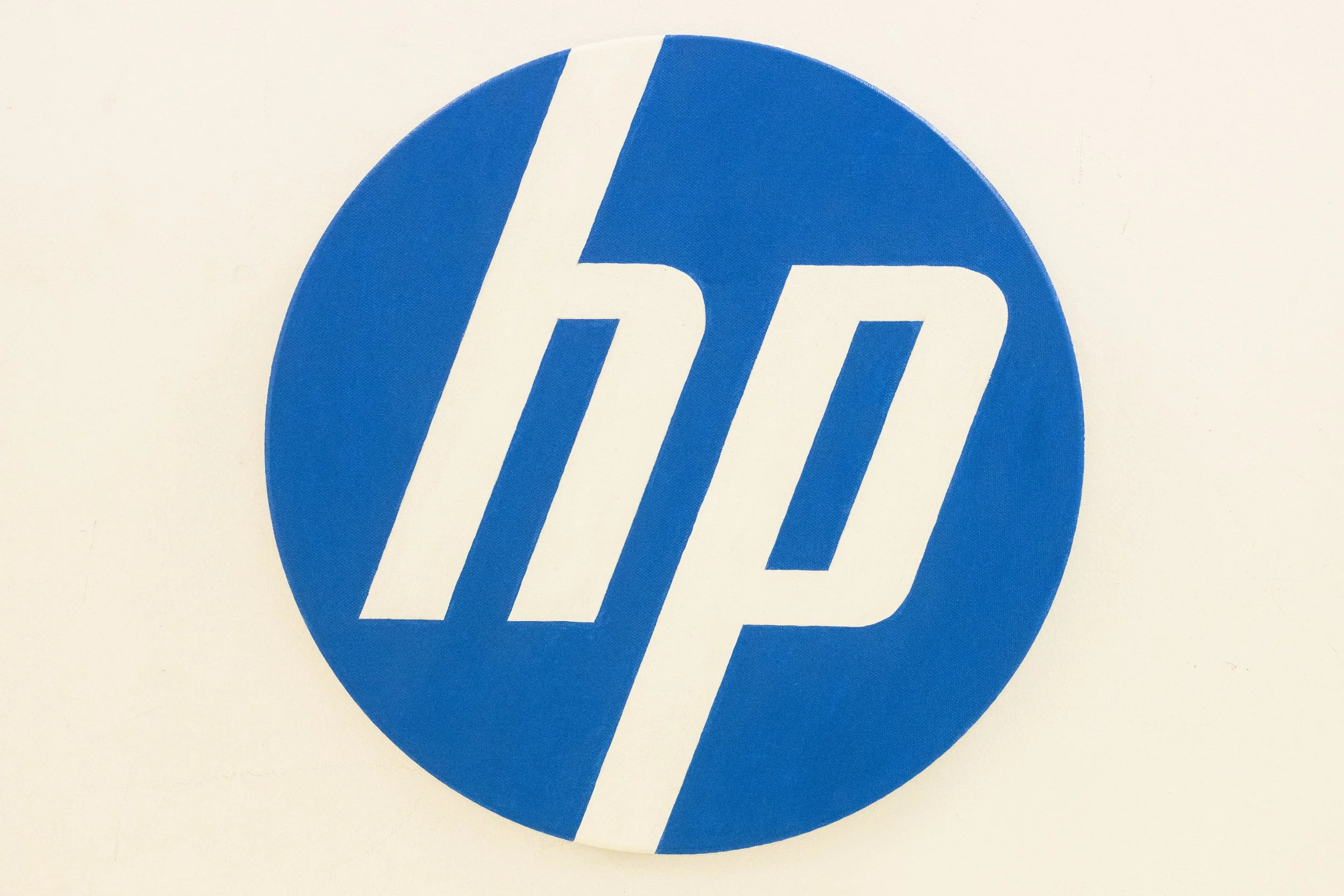
If God Made Man
Hewlett Packard Made Him on Time. No.1
2024
Acrylic on Canvas
Andrew Wilkinson
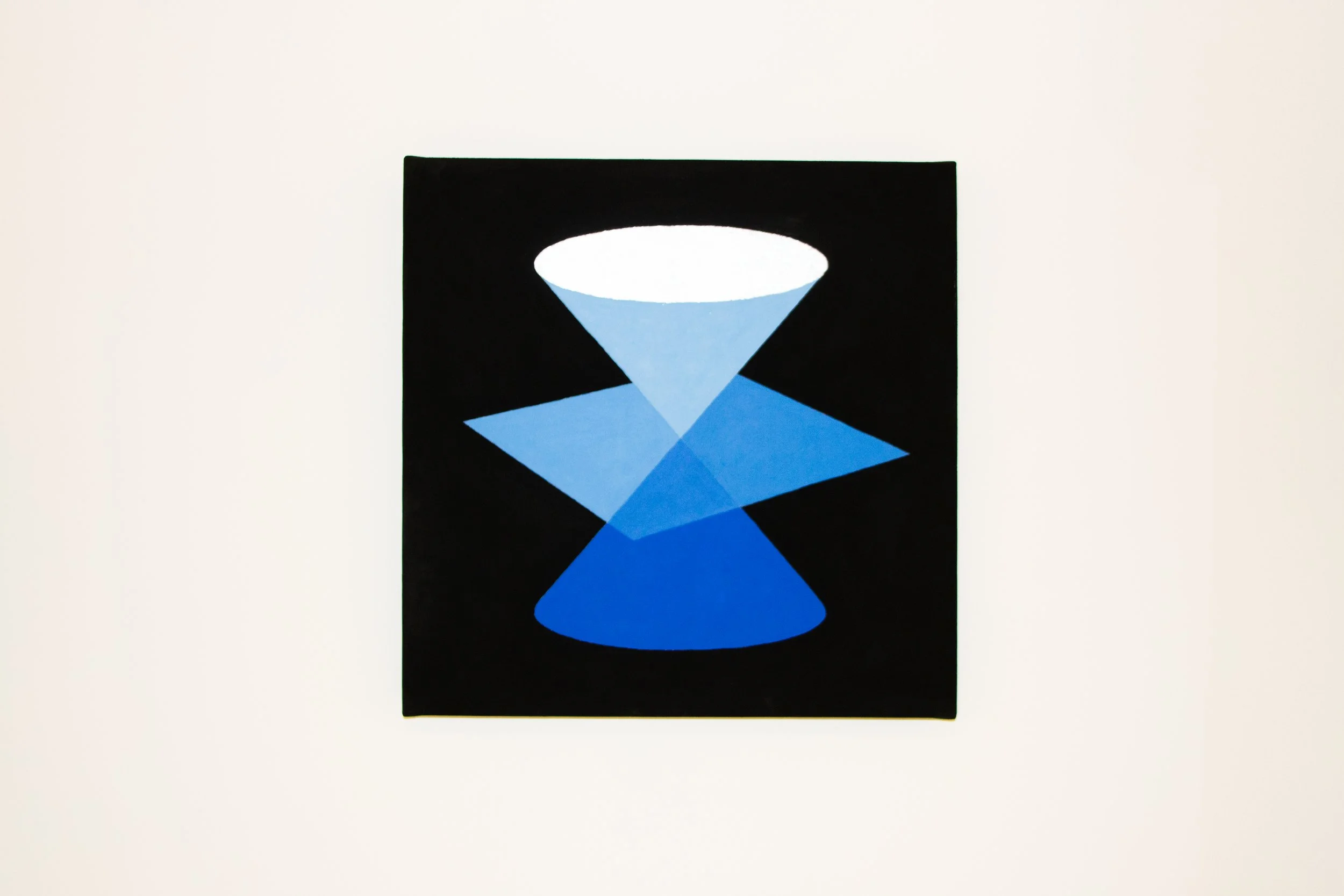
The World Line
2024
Acrylic on Canvas
Andrew Wilkinson
Time is our constant but has no dimensions (paper thin) or direction until we consider it in a physics concept and then they become related. HP, the brand most familiar for making paper printers, were responsible for the atomic clocks that help to prove General Relativity and that time is different for each person.
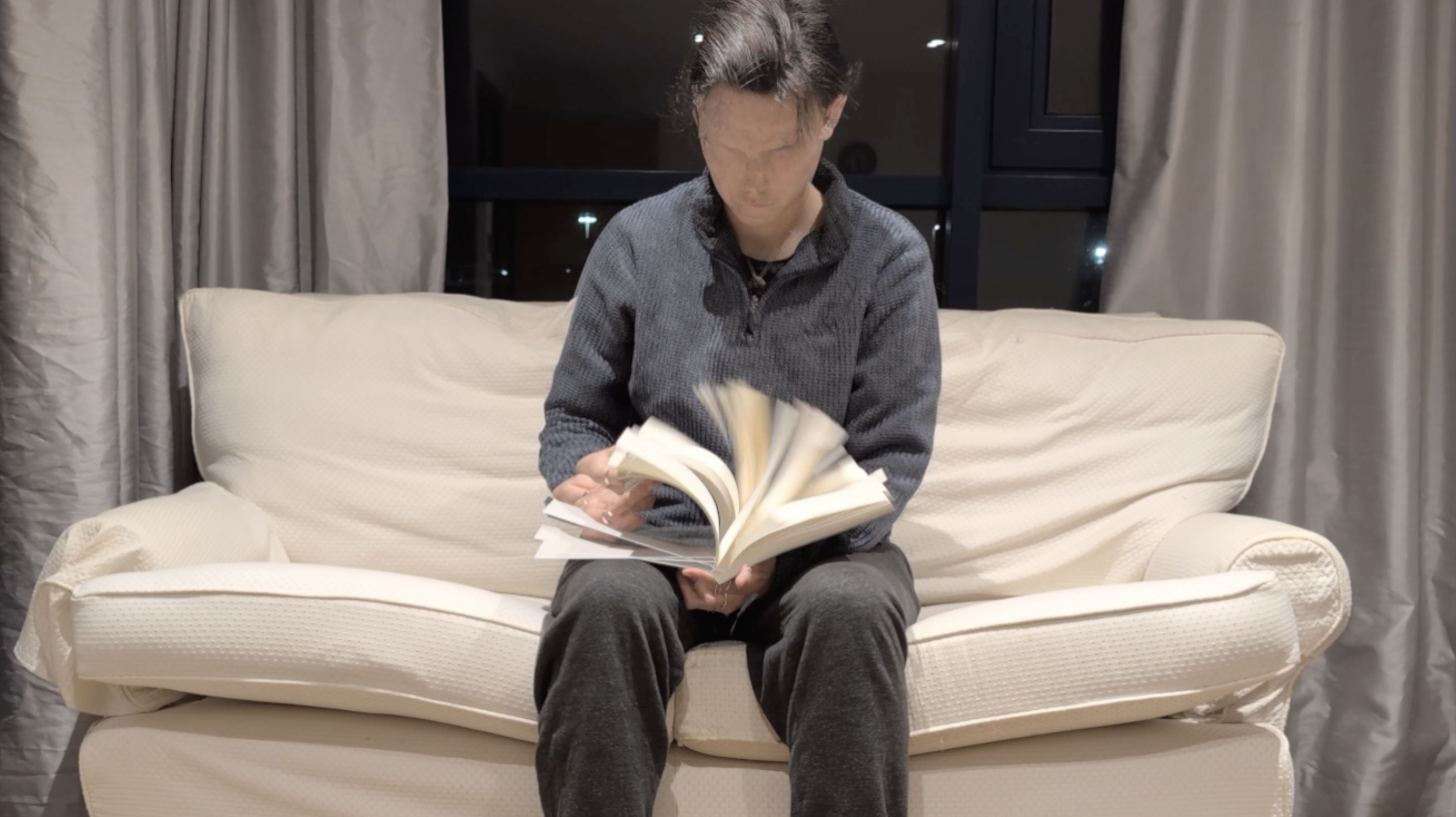
Flick through
2025
4:17 min runtime
Ellen Gillett
Ellen Gillett is a visual artist and independent curator who creates animated and interactive installations that explore gesture, illusions of movement, and people's connection to place and their spaces. Their artistic practice involves drawing, stop-motion animation and digitally-created video imagery and often invites contribution or participation from audiences, blurring the lines between engagement, curation, and art-making.
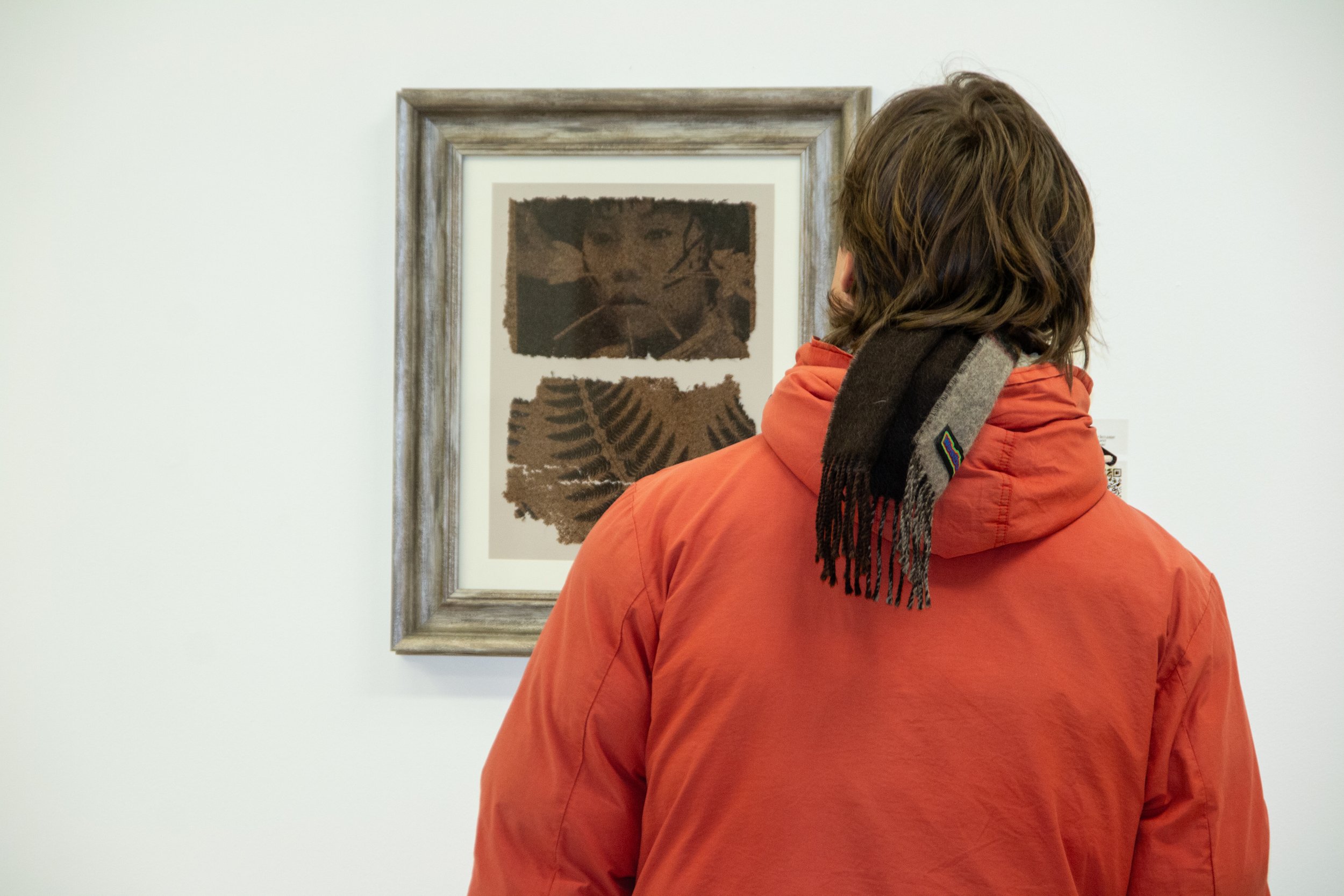
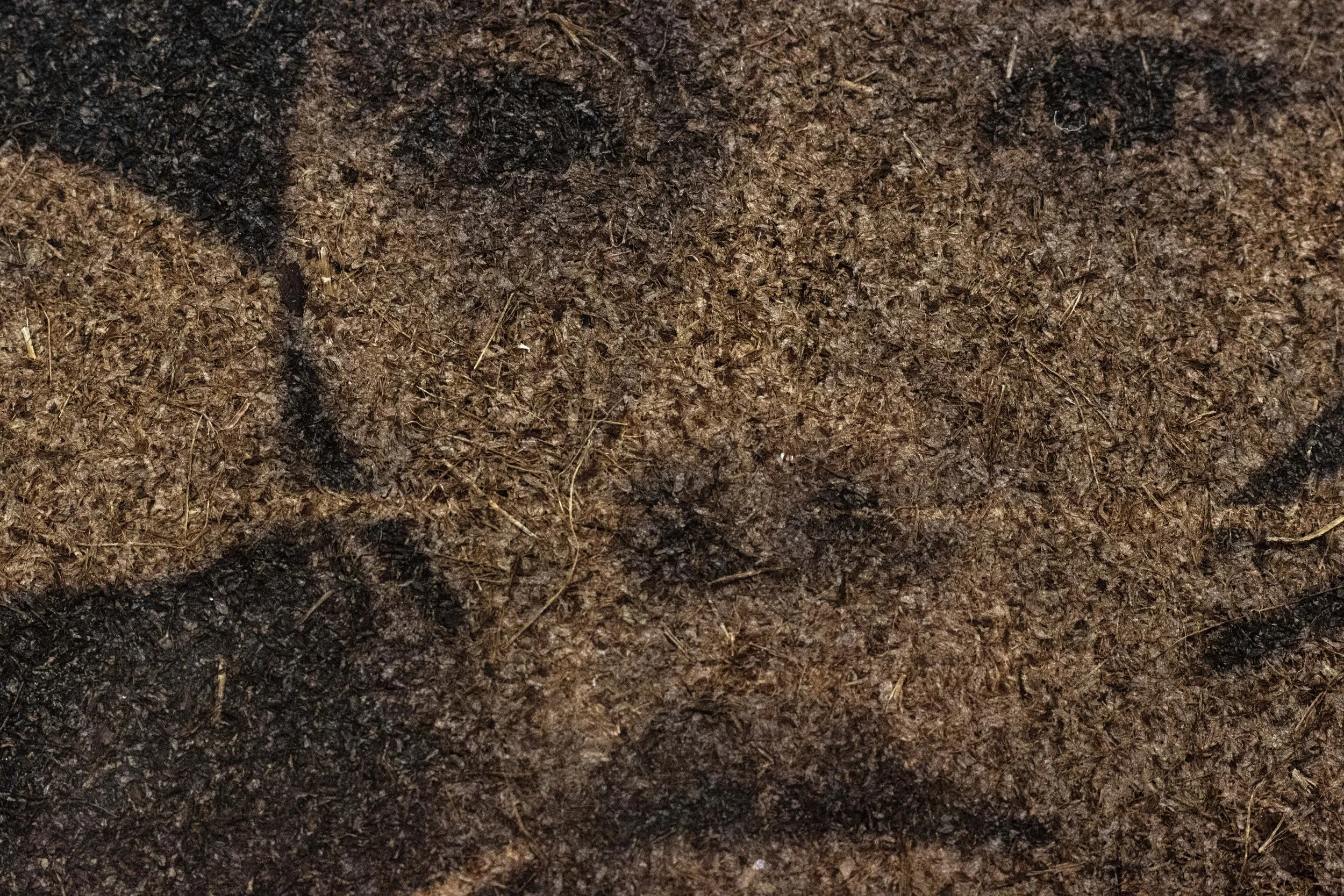
COPy30
2025
handmade fern-paper with digital print
Mayre Casadei
Made at home using ferns that I collected around, and cooked and pulped by hand before forming the sheets. Paper is treated as a living technology that carries Amazonian memory and ecological urgency.
Mayre Casadei is a Brazilian-born artist based in Bournemouth, UK. Drawing on her Amazonian roots, she works with natural and recycled materials to explore ecology, ancestry, and environmental justice. Her practice combines low-tech processes—such as handmade paper, soil pigments/ clay, eco-dyeing, and found materials—with contemporary methods to address the urgent realities facing the Amazon and its Indigenous communities.
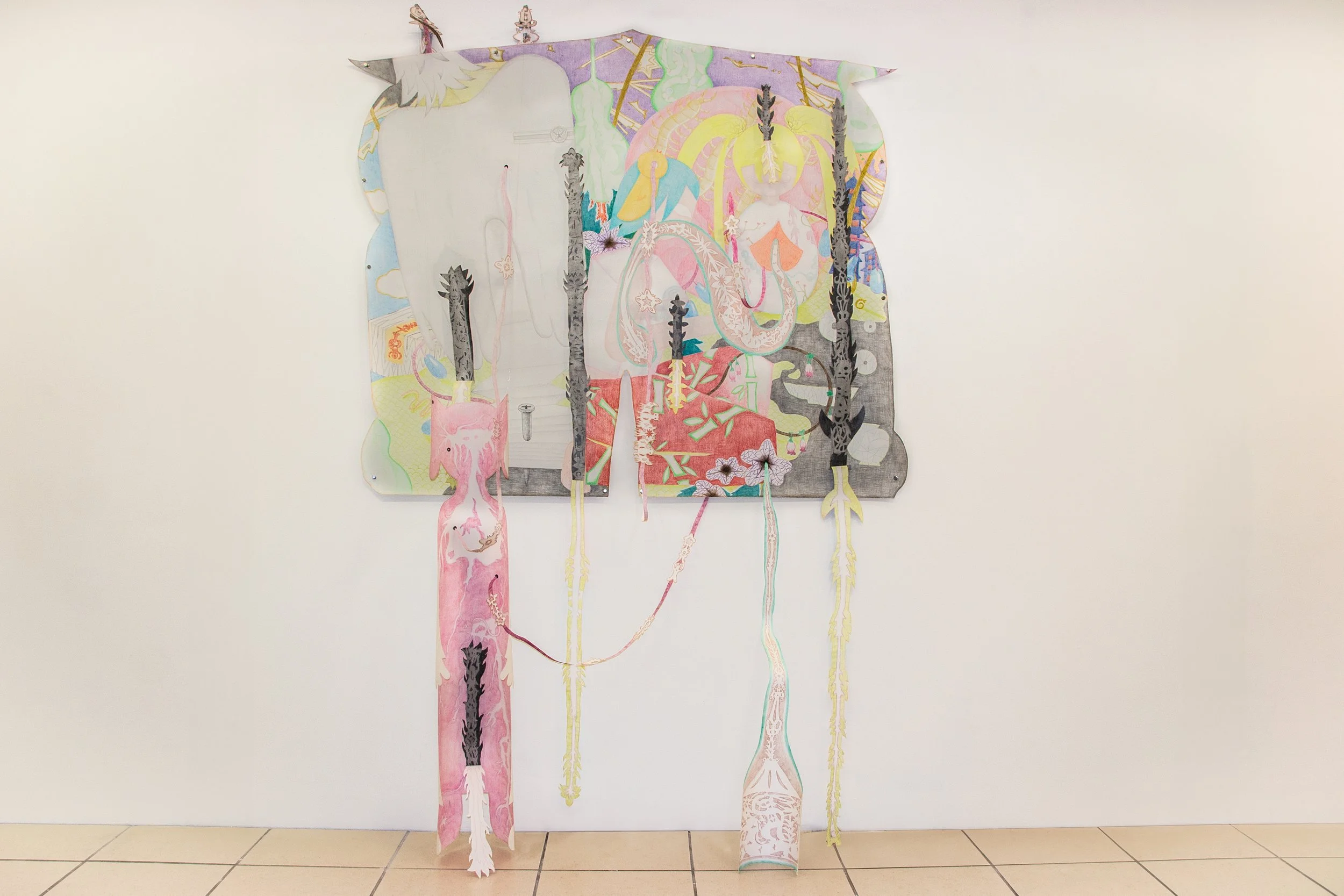
Hereditary
2025
Colored pencil and cut paper on paper
Mengwei Chen
This work explores how folk belief, intergenerational trauma, and hereditary illness pass through a family across time. The paper talismans once used in Chinese folk magic appear here in a spectral, almost parasitic form, threading between bodies and surfaces to bind and layer multiple sheets of paper. For me, paper is a material that is fragile and easily damaged, yet in traditional ritual practice it functions as a technology, carrying the power to intervene, connect, and invoke. In this piece, I stack and weave these delicate sheets together, allowing them to form a temporary and unstable spatial structure that hovers between the flat and the dimensional. The talismans’ quiet infiltration suggests a layered inheritance, not only biological lineage but also the circulation of memory, pain, and fate within the family. The narrative remains intentionally fragmentary and ambiguous, opening the work toward a multi-directional and open-ended reading of family history.
Mengwei Chen is a London-based artist, recently graduated from the MFA Fine Art programme at Goldsmiths (2025). Her practice is rooted in the fading magic, ritual, and folk arts of East Asia, with a particular focus on traditional Chinese paper-cutting motifs once tied to sorcery, afterlife beliefs, and cosmological traditions. Re-examining these symbols that have been marginalized from mainstream memory and are gradually disappearing, she reimagines them through hybrid visual languages that draw from literature, horror cinema, anime, and popular culture. Working across painting, installation, moving image, and papercutting, Chen explores whether these talismanic, belief-charged images can be reactivated within contemporary image-making. By placing disappearing traditions in dialogue with global visual culture, her work voices itself from an undefined position—one that resembles an imaginary homeland, where ghosts, death, and ritual continue to inhabit the shifting landscape of modernity.
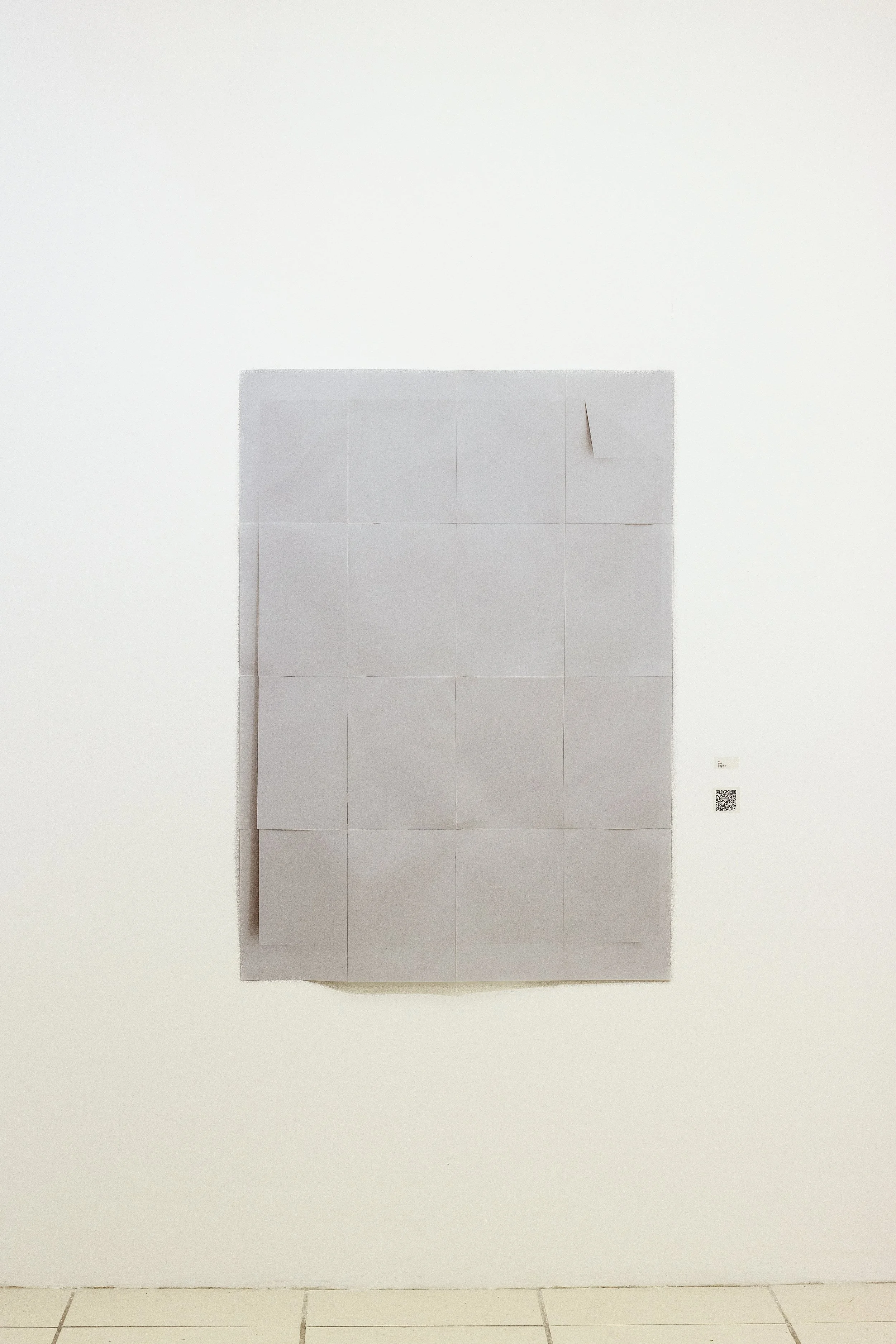
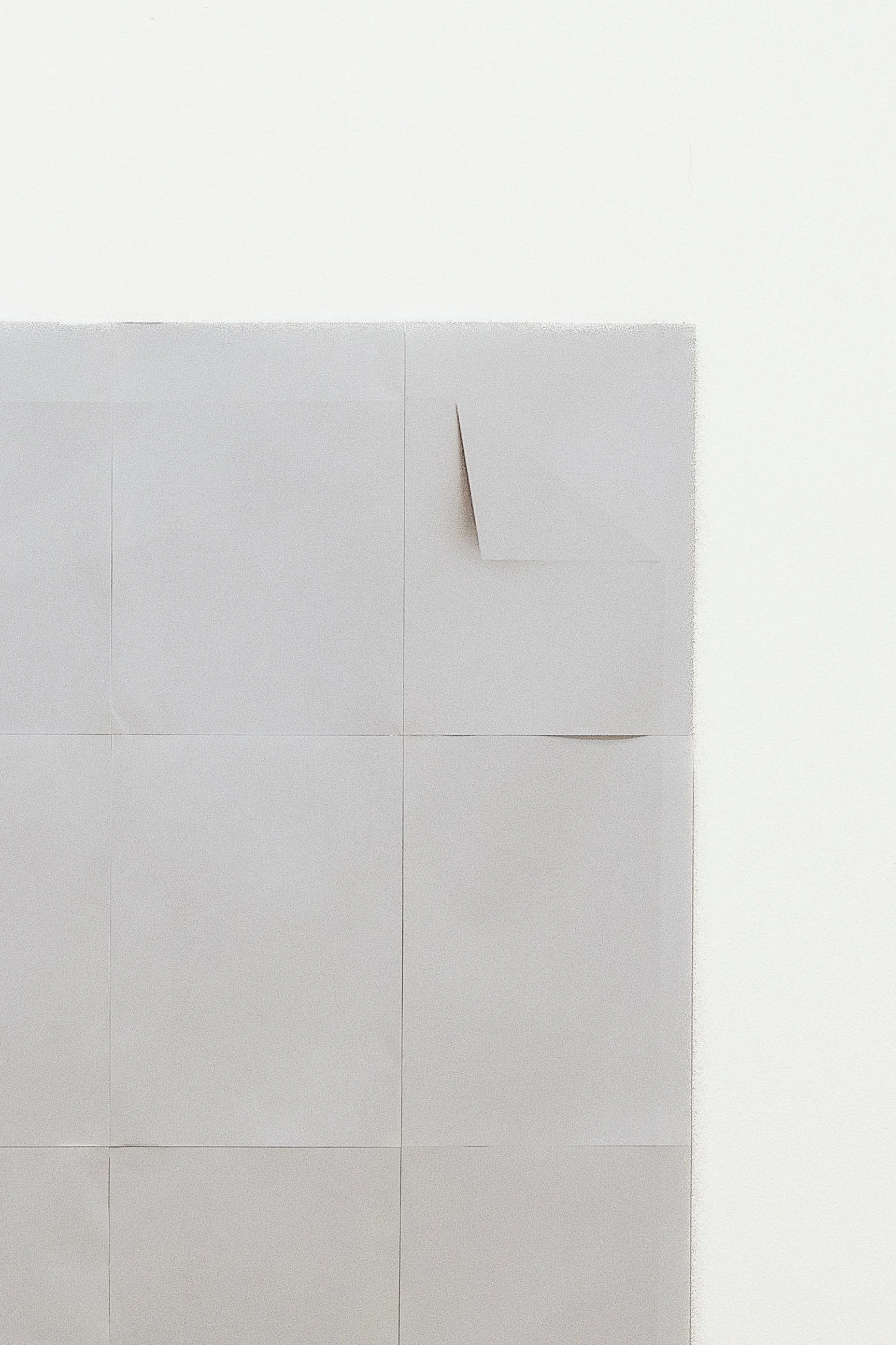
A0
2025
Digital scan
Net Ember
Net Ember is a trans non-binary artist working between London and Southampton. Their practice investigates how we are taught to see, and how the texture of categorisation melts, hardens, and abstracts under the heat of time. Net’s work critically analyses the conventional boundaries of where sculpture ends and the image begins, and vice versa. They consider where these crossovers lie, liquidate, and merge in a world where almost everything exists in two parallel versions: the physical event happening at the current moment and the digital event documented as an experience unto itself. Their experiments look at how the image records its own reality, focusing on the act of the capture itself and its denial of objective representation.

One step at a time
Ongoing
Mixed Media
Nohana Sayama
This work is a response to my time at Dahlewitz, Berlin, during a residency with Culterim Residencies. Although my primary medium is watercolour, I found it mentally challenging to use it in a foreign environment that demanded greater focus and mental stamina. My watercolour theme, “vignette,” explores my vulnerability and fear of being forgotten. Facing this theme in an unfamiliar setting, where I needed to adapt to the new space, was difficult. Instead, I turned to notebooks and small pieces of paper I could carry around the city. I began drawing my daily life to help me connect with the community. In the piece “One Step at a Time,” I have showcased my daily drawings alongside larger works depicting memorable events. To me, they resemble stacked televisions showing videos from different times, creating a narrative of experiences that have already passed.
Nohana Sayama (b.2003, Osaka) is a Japanese artist based in London, a recent graduate of Camberwell College of Arts, Fine Art: Painting. During her time at Camberwell, she developed her practice in watercolour. Raised in Singapore, India and Japan, she paints to journal her past, to record her existence, to have nameless characters observe her in silence. With the unconventional use of Gansai watercolour, she attempts to express her incomplete social-cultural identity. This summer, during her time in Berlin, she also began exploring recording her more spontaneous memories through drawing. She recently won the Watercolour award at the CASS Art Prize 2025. She has also exhibited widely this year, including at World Art Dubai, Affordable Art Fair, Southwark Park Gallery, London Design Festival, and more. This summer, she participated in her first residency with Culterim in Dahlewitz, Berlin.
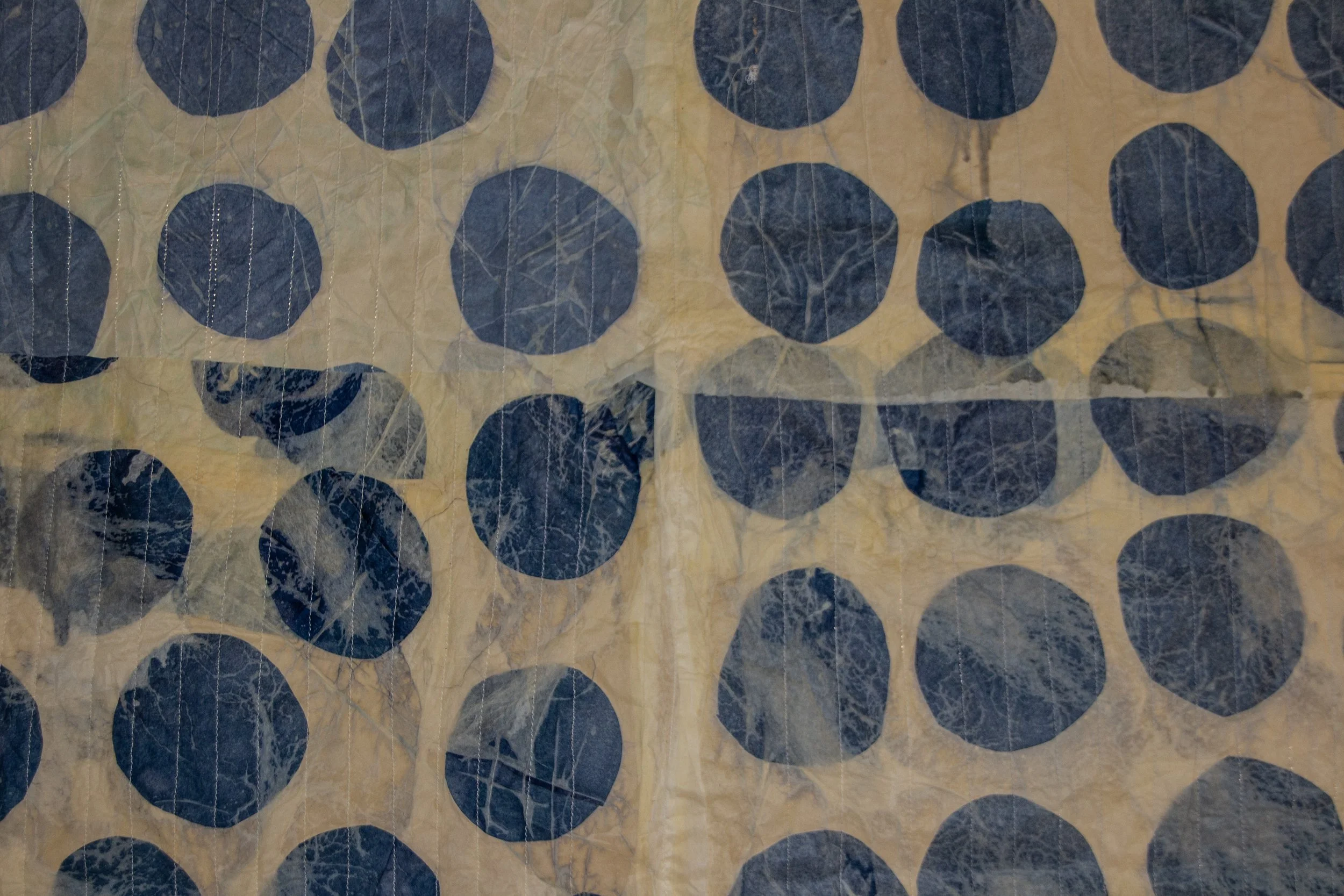
Silicles
2025
Tissue paper, sheep wool, thread
Phoebe Hudson
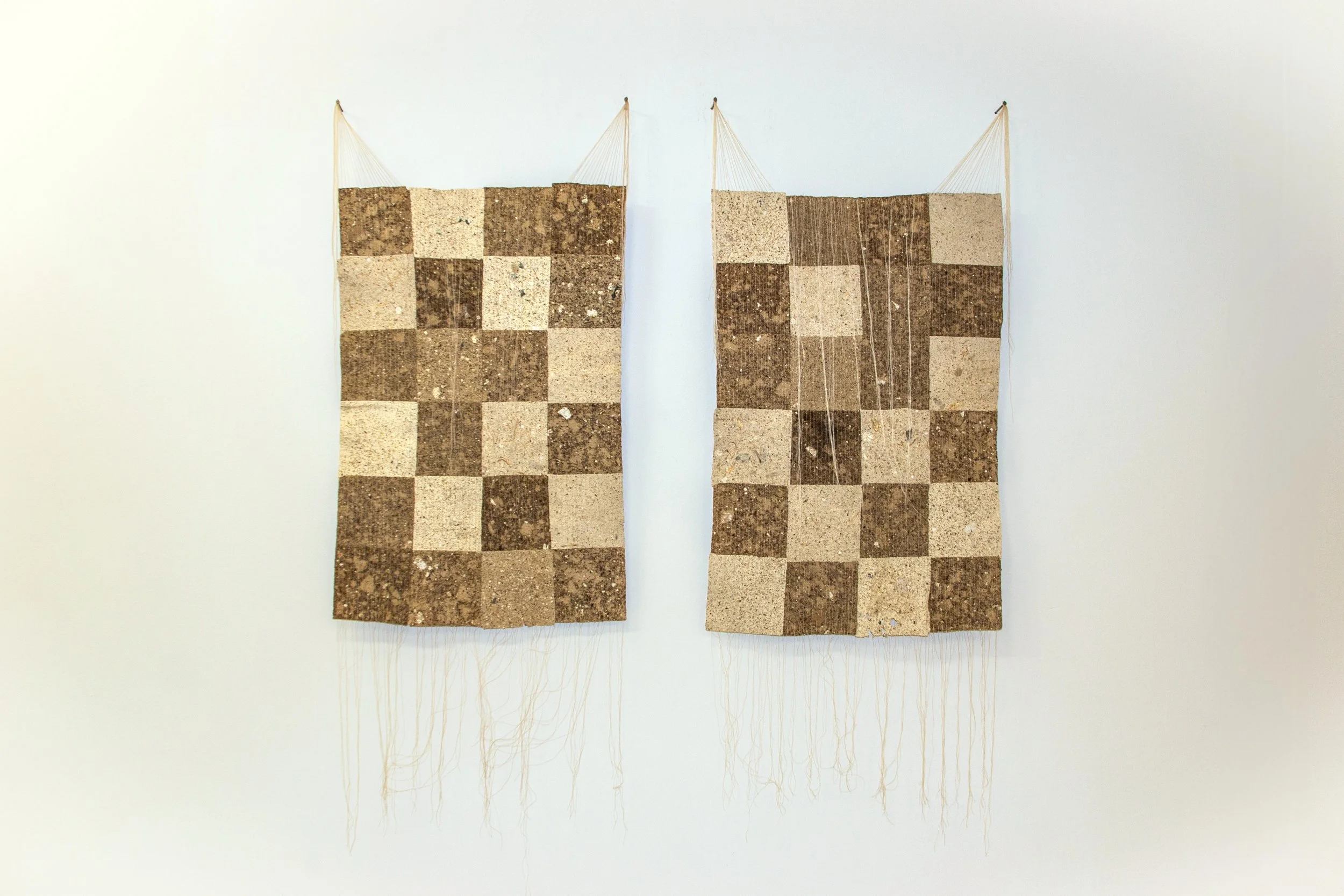
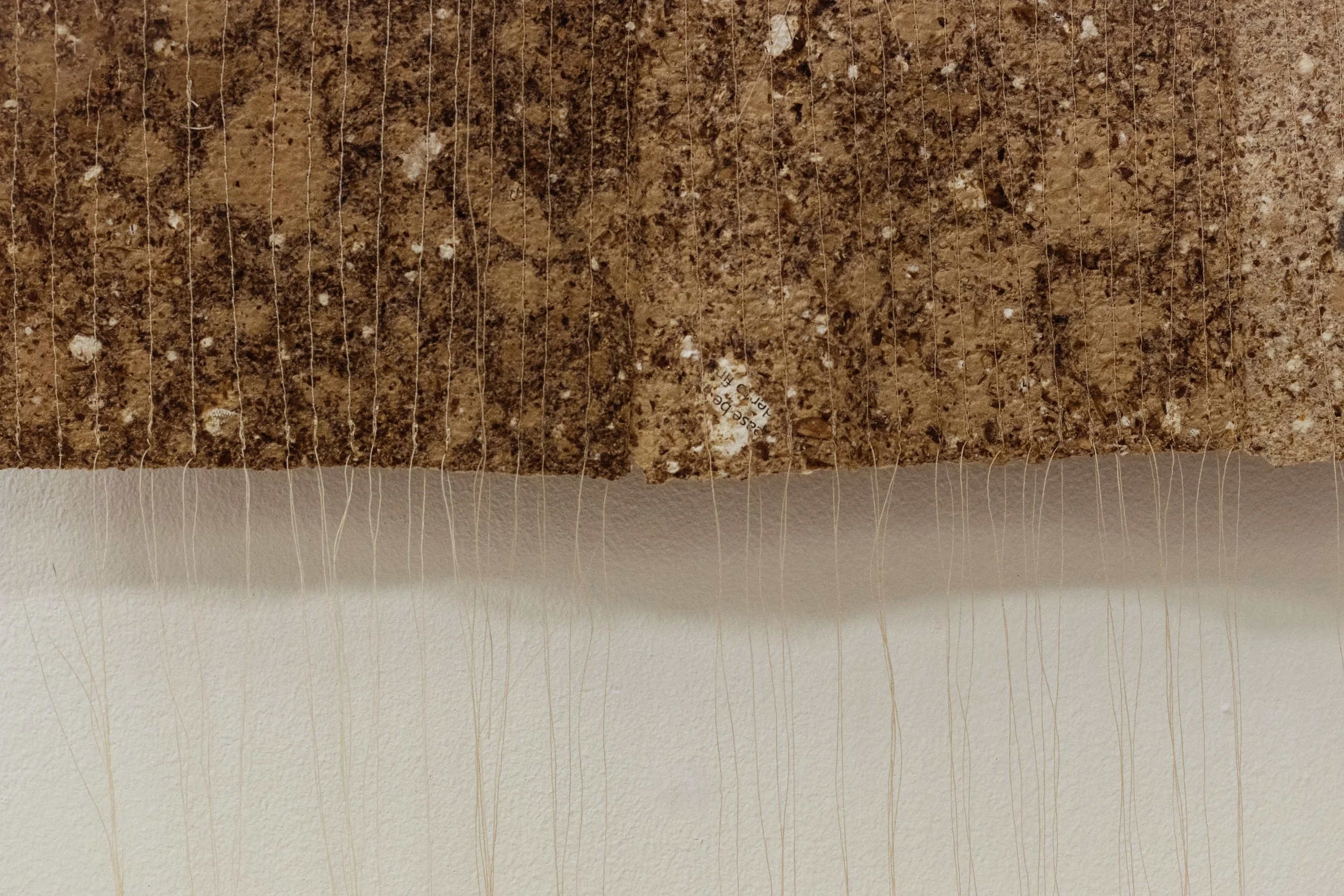
Sifting Sediment
2025
Mushroom paper (mushrooms, flaxseed, recycled paper), thread
Phoebe Hudson
My work responds to patterns that emerge from intricate workings in our environment. I examine the repetition, tension, and irregularities produced within these structures. My research is rooted in microbial relationships, observing their foundational role in both geological and biological time, understanding them as connective tissue between mind, gut, flesh, soil, life and decay.
I am interested in what we can learn from these networks of threads, fibres, cells and spores - their processes of picking apart, dissecting, reassembling, fusing and stitching together - to better understand our relationship with material and matter. In my work, I reimagine this through the rituals embedded in traditional processes such as weaving, felting, paper and pigment making and how these can serve as a means of slowing down and reintegrating ourselves into cycles of growth and decay.
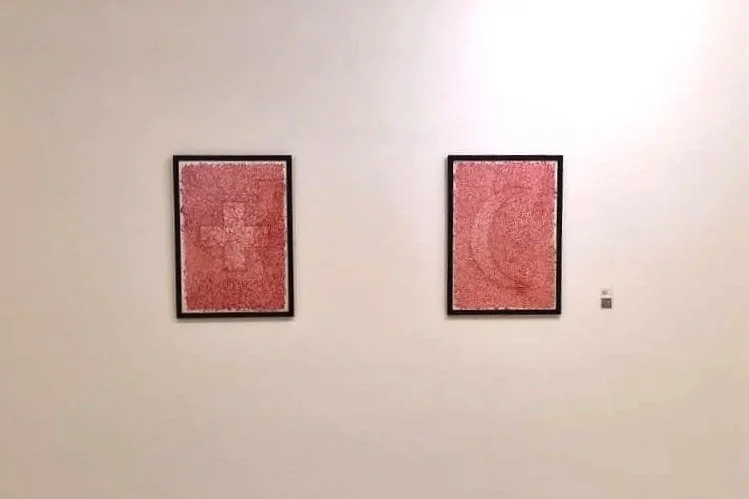
Dying to Help
2025
Biro on Paper
Zara Saganic
This diptych evolved into a response to the murder of humanitarian workers in Palestine. The Red Cross/Red Crescent lost their lives trying to save the lives of others. These pieces are highly detailed and contain thousands of incalculable marks and the incomprehensible loss of so many. Giclee prints available.
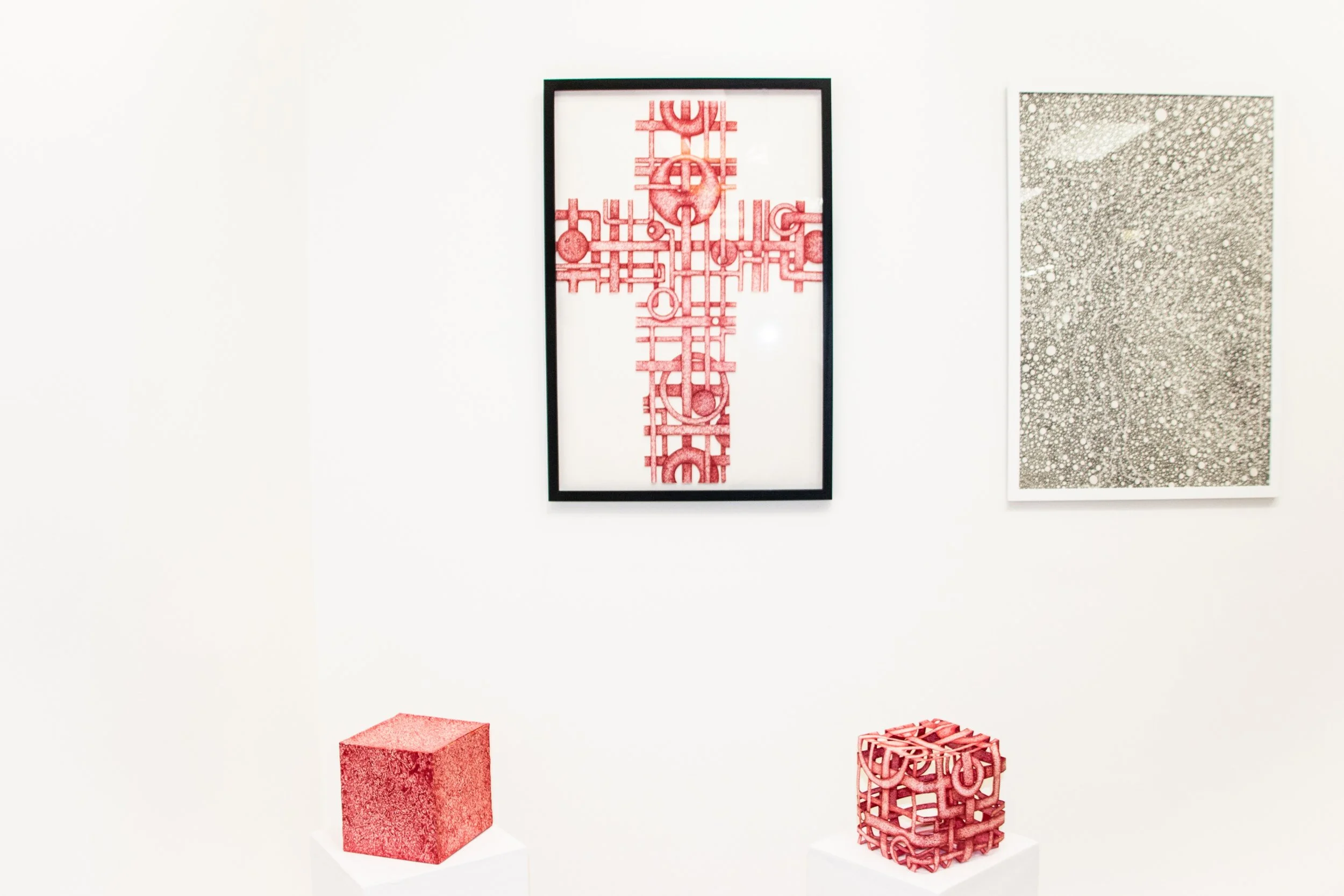
One and Two Cubes
2025
Biro on handcut paper
Zara Saganic
Ongoing experiments that explore semantics and the potential of basic media, how we understand and define visual language. In this piece I seek to question our perceptions and how we understand signifiers through visual language to question how we understand what we see, hear and read. I am seeking the truth in a world that is full of information and find my truth in the act of making that includes my own rules as pre-sets for truth. What is your truth?
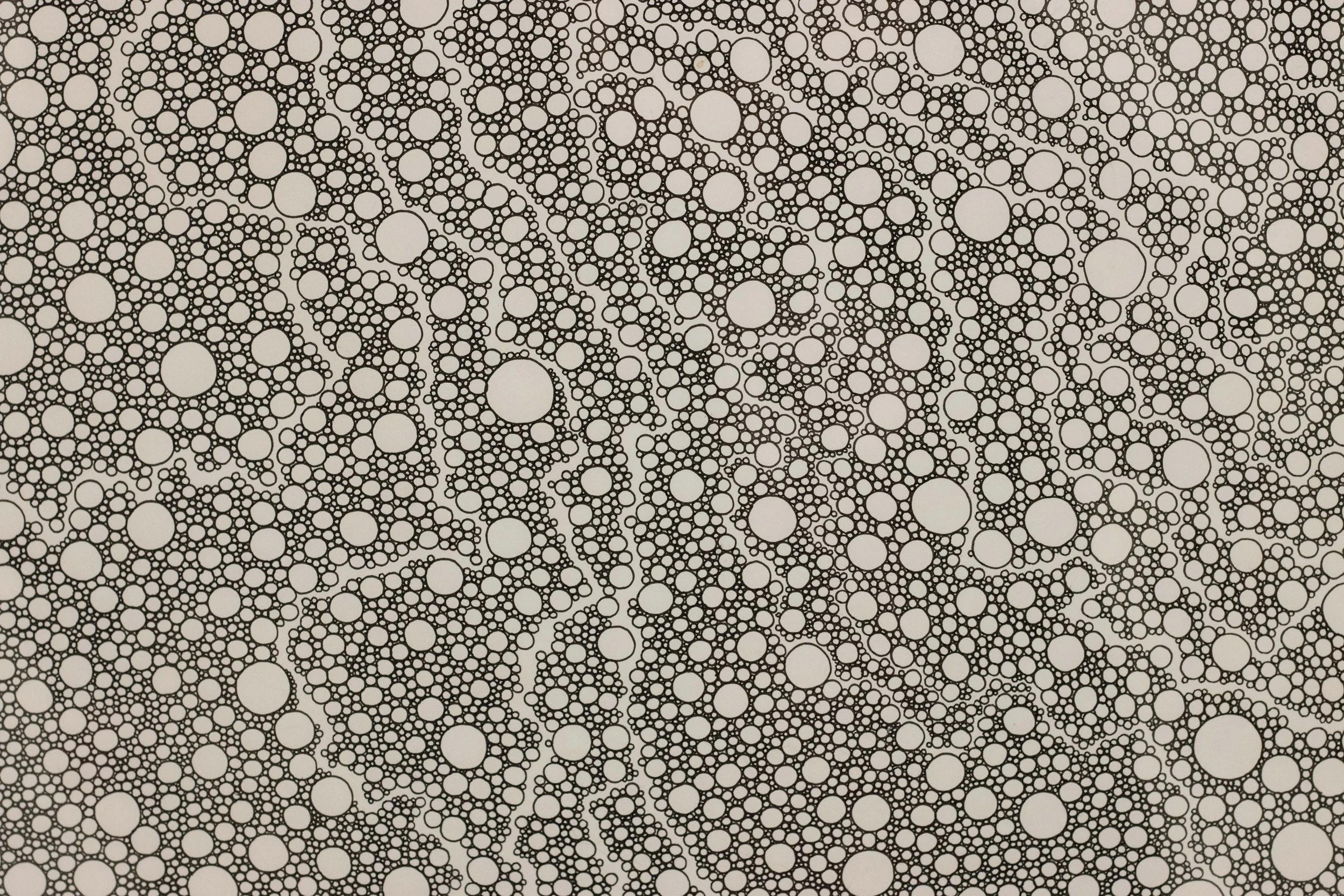
Fractured 2023
2024
Sakura fine liners on paper
Zara Saganic
These efforts to achieve a perfect circle evolved into something else as fissures appeared through the process. As a new landscape appeared on the surface my mind was taken to the displacement of individuals through conflict. Giclee prints available.
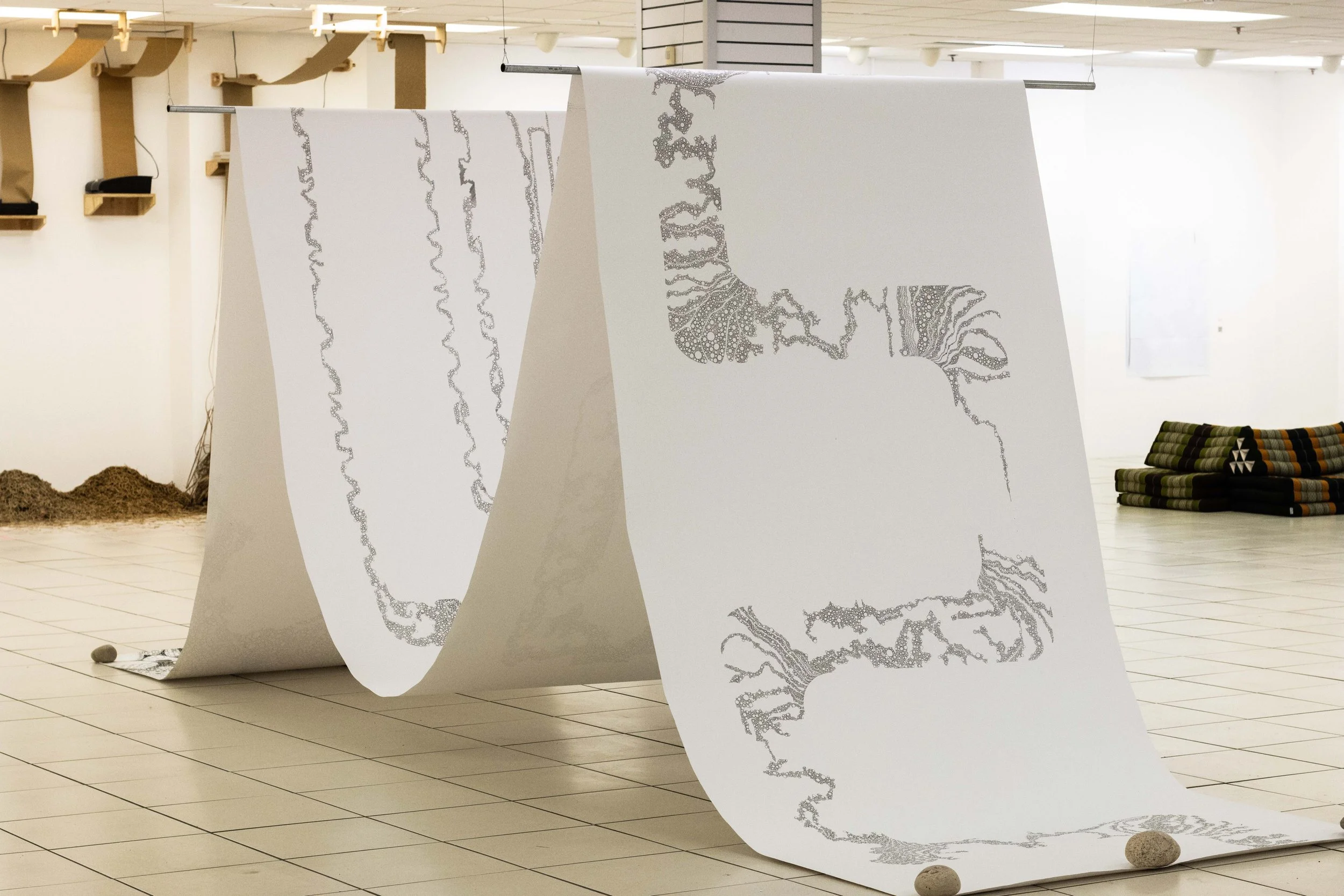
Reach
2023
Ink on paper
Zara Saganic
All work is done by hand. Reach explored the physical difficulty in navigating a large roll of paper within a confined space. This piece also begins to explore a pause in a drawing and how this can add to the piece. The drawing started with uncertainty; journeying with intense activity through to allow the surface to speak to and guide the pen, working with the drawing plane and a physical space to breathe.
Zara completed BA in Fine Art (Arts University Bournemouth 2004), a Masters in Fine Art (Wimbledon 2008) and a teaching qualification 2010 (QTS). Having worked in mainstream education for 20 years, Zara now works full time as a freelance practitioner, workshop leader, visiting tutor at AUB and in the development of community arts events with B-Side and most recently in developing arts events in rural Dorset. Recent work continues earlier themes of control and time with recent pieces featuring in exhibitions including; Finalist at Wells Art Contemporary, Spud Works finalist, BEAF commissioned artist, B-Side, Atlanta University and several solo exhibitions. Other participation in the arts includes Drawing Projects UK Symposium, Pecha Kucha night, interview on Radio Solent and a short film about my Lockdown work at Wells Art Contemporary.
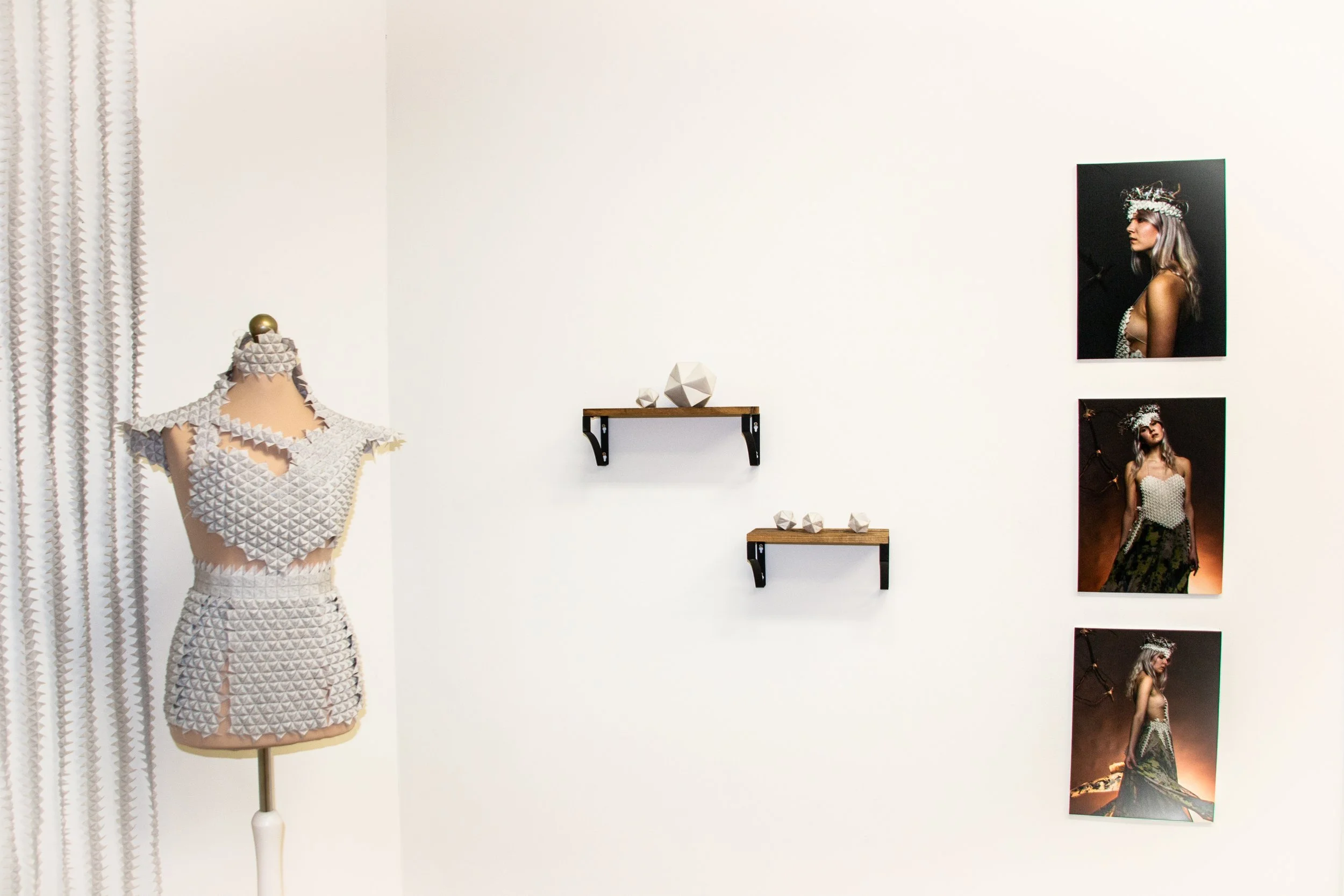
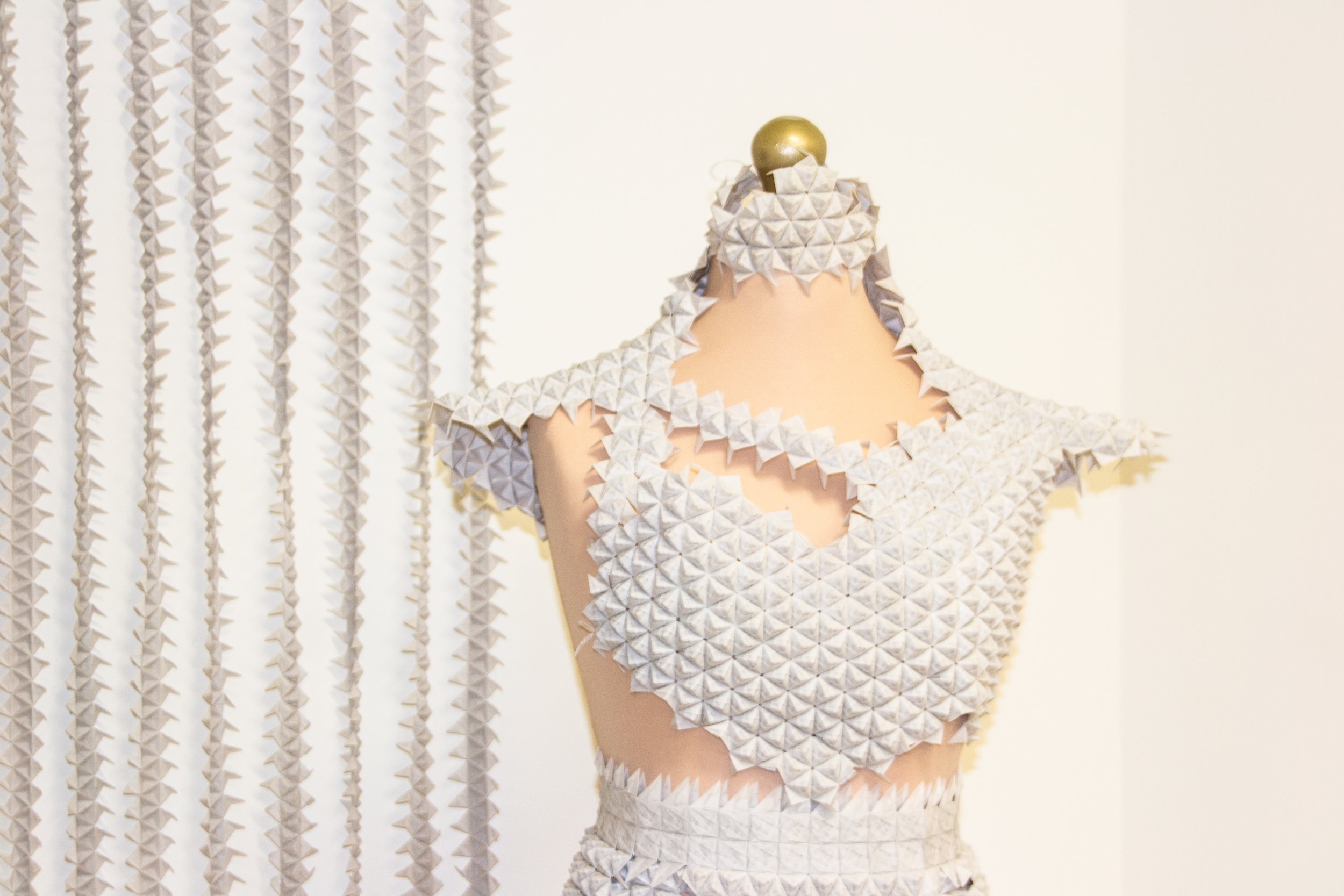
A Quiet Rebellion
Paper
Miku Okita
"A Quiet Rebellion traces the beginnings of my origami clothing, from traditional paper folding to the experiments and manipulations that shaped my approach to fashion. Although I create origami garments in my spare time, it has become a meaningful part of my creative life. The accompanying video shares the origins of this journey and reflects on heritage, family, and cultural identity. What began in quiet defiance, after being told it wouldn't lead anywhere, has grown into an ongoing exploration of form and self-expression.
Miku Okita is a fashion artist working exclusively with paper, using origami techniques to create wearable forms. Her interest in origami fashion began during her art foundation year at the University of Gloucestershire in 2005, where she was drawn to the striking geometry and the visual rhythm it created. Her practice reimagines fashion as sculptural expression, blending traditional paper-folding methods with a contemporary approach to garment design and breathing new life into the craft. Positioned at the intersection of art and fashion, her work challenges ideas of what clothing can be when removed from fabric. Each piece plays with shape, movement, and impermanence - inviting viewers to consider garments beyond their functional form.
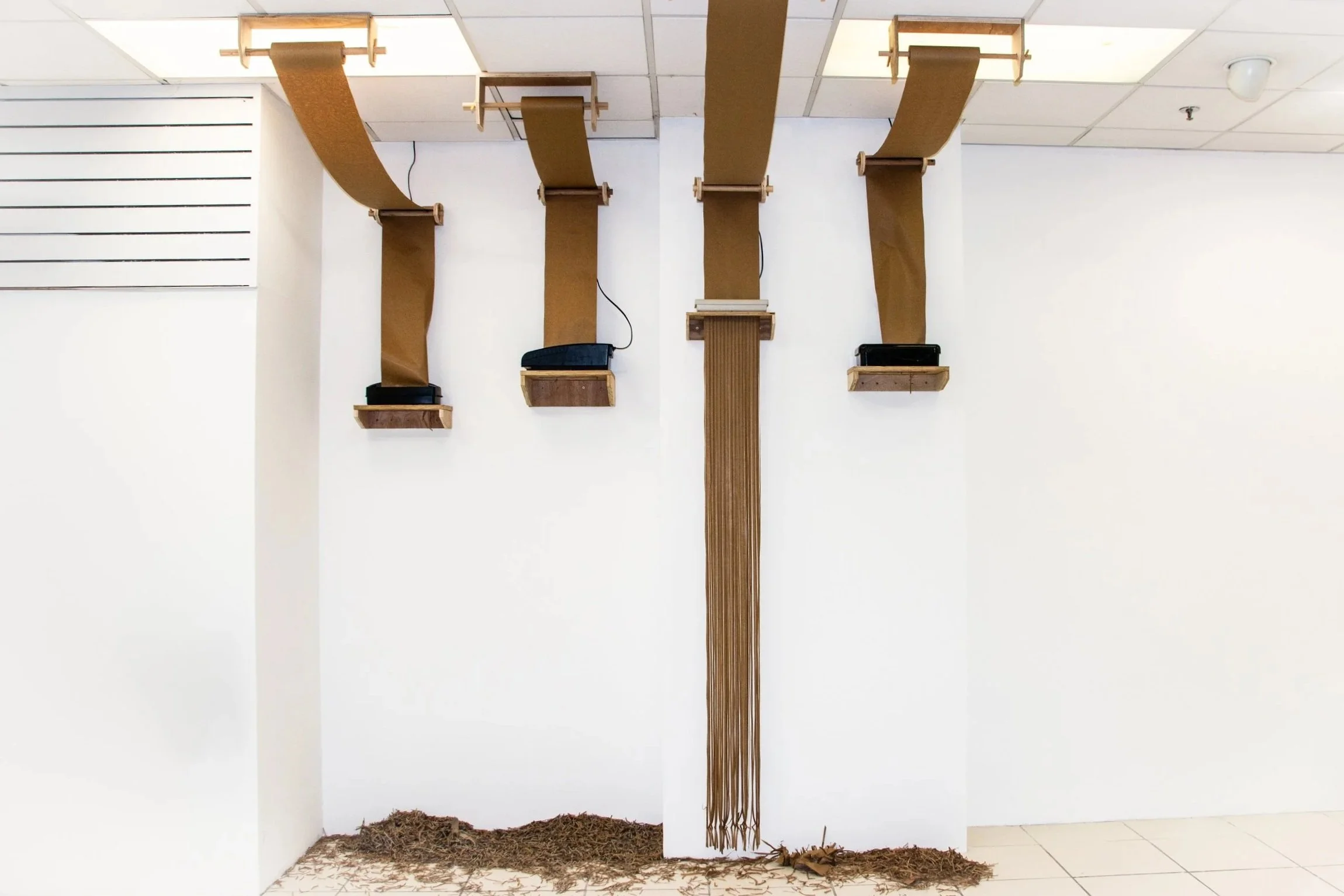
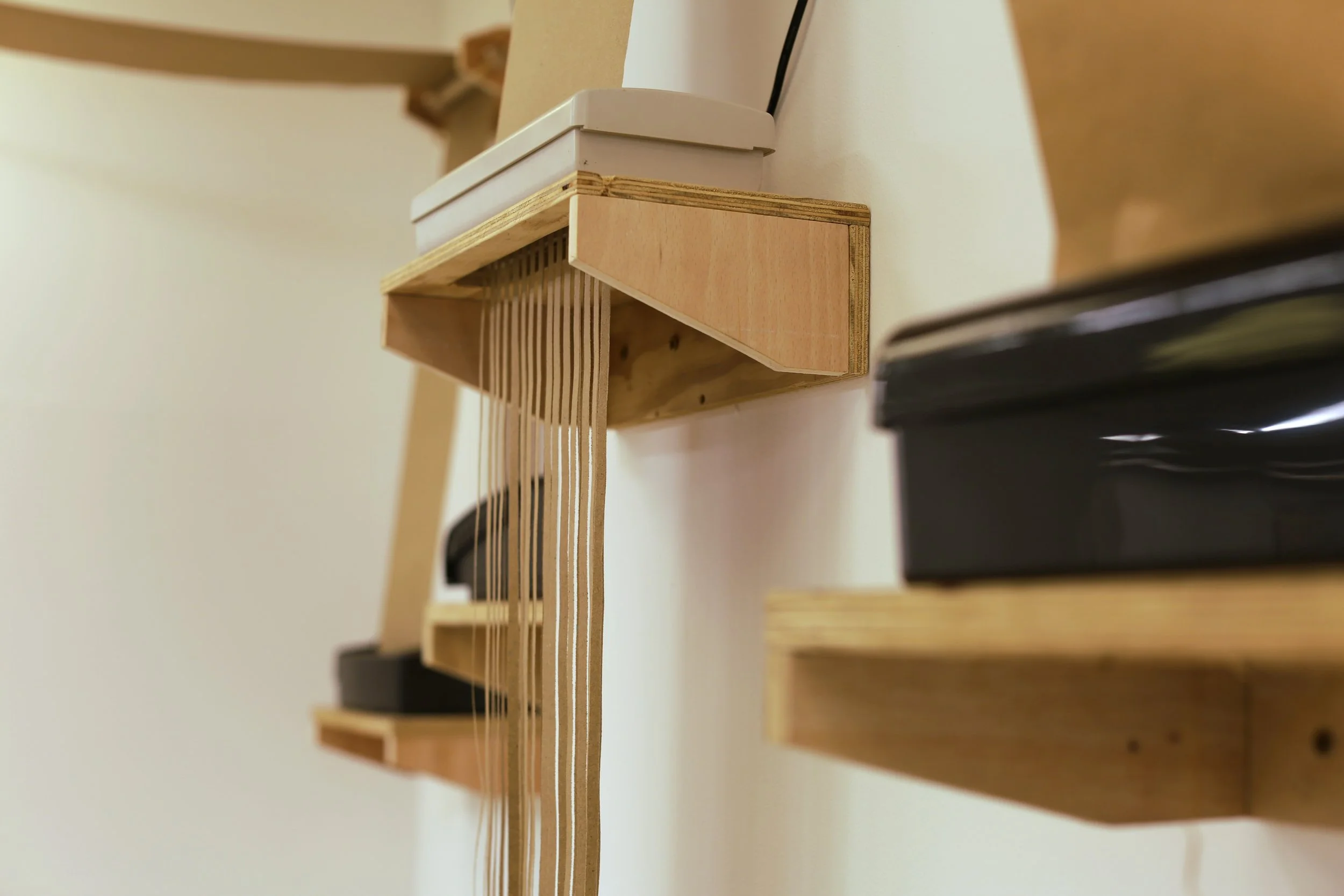
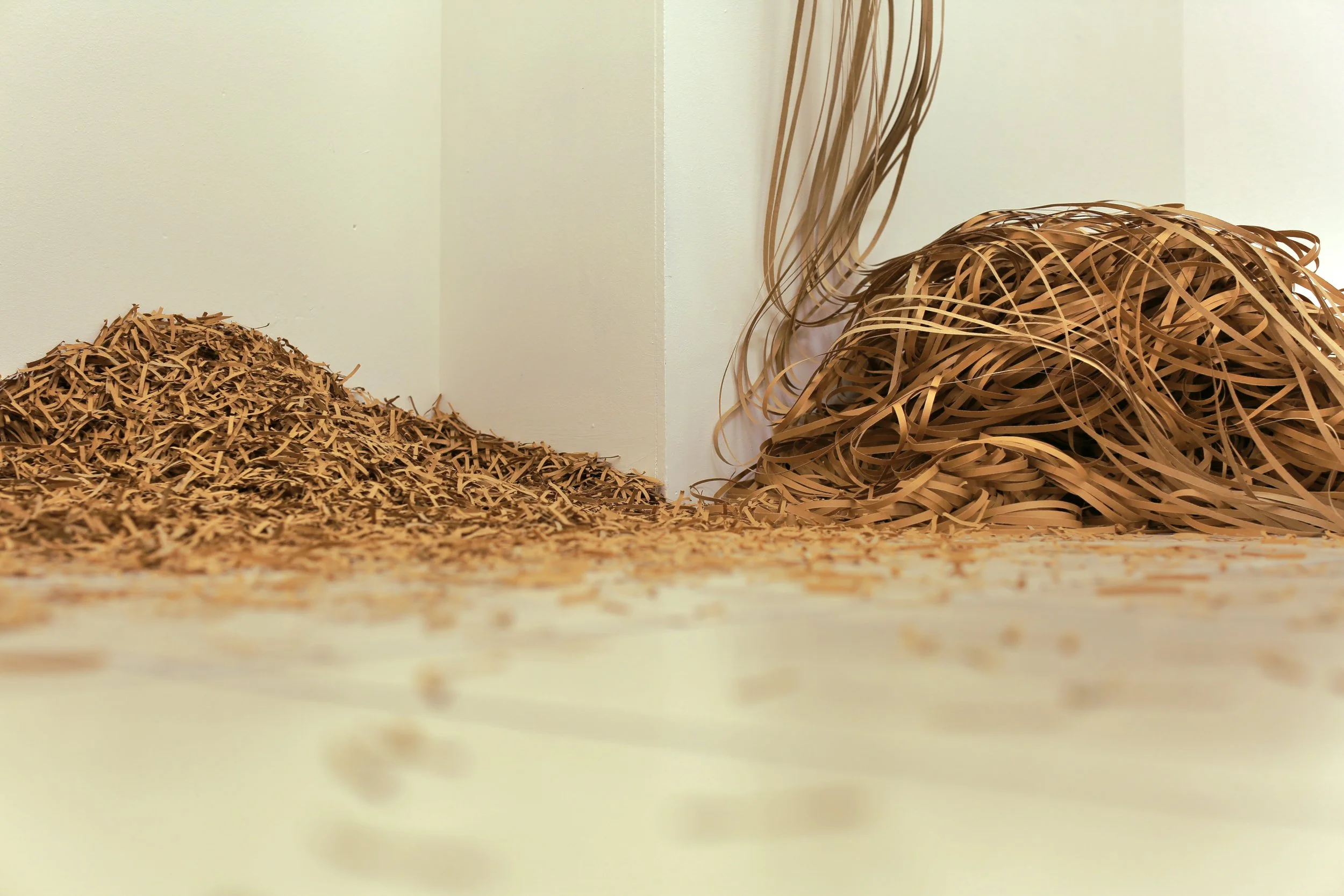
Shredder? I hardly know her!
Paper Shredders and Paper
Bryn Lloyd
Bryn Lloyd is a multidisciplinary artist based between Poole and Southampton working predominantly with sculpture, installation, performance, and sound. Bryn’s works intend to be familiar yet playful. Often fabricated from recognisable materials, or mirroring traditional artistic techniques his works are manipulated through the introduction of external stimuli such as motors, bodily motion, and natural forces, with their outcomes becoming unpredictable, directly in contrast to the traditional idea of an artist's control over their own work.
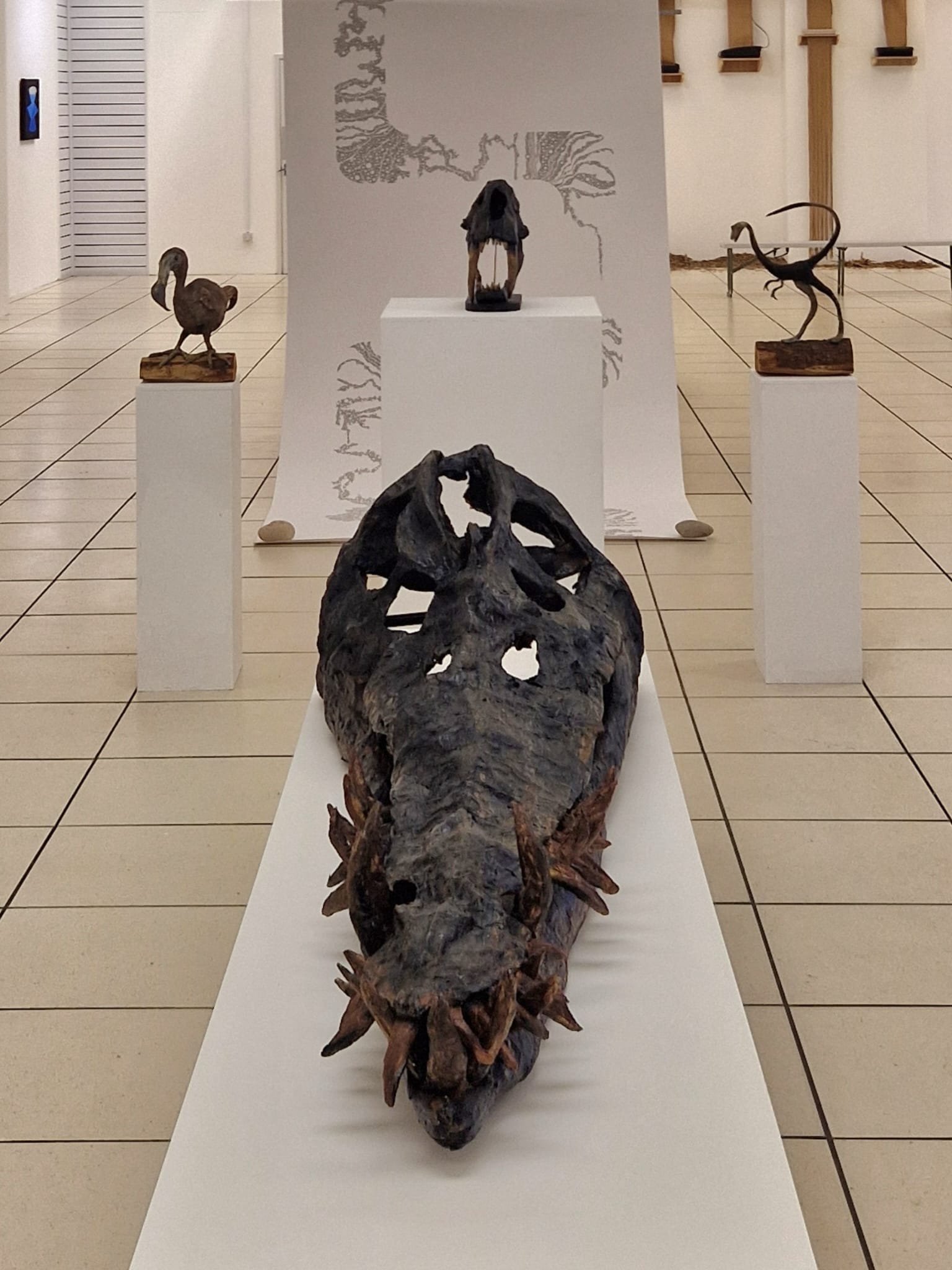
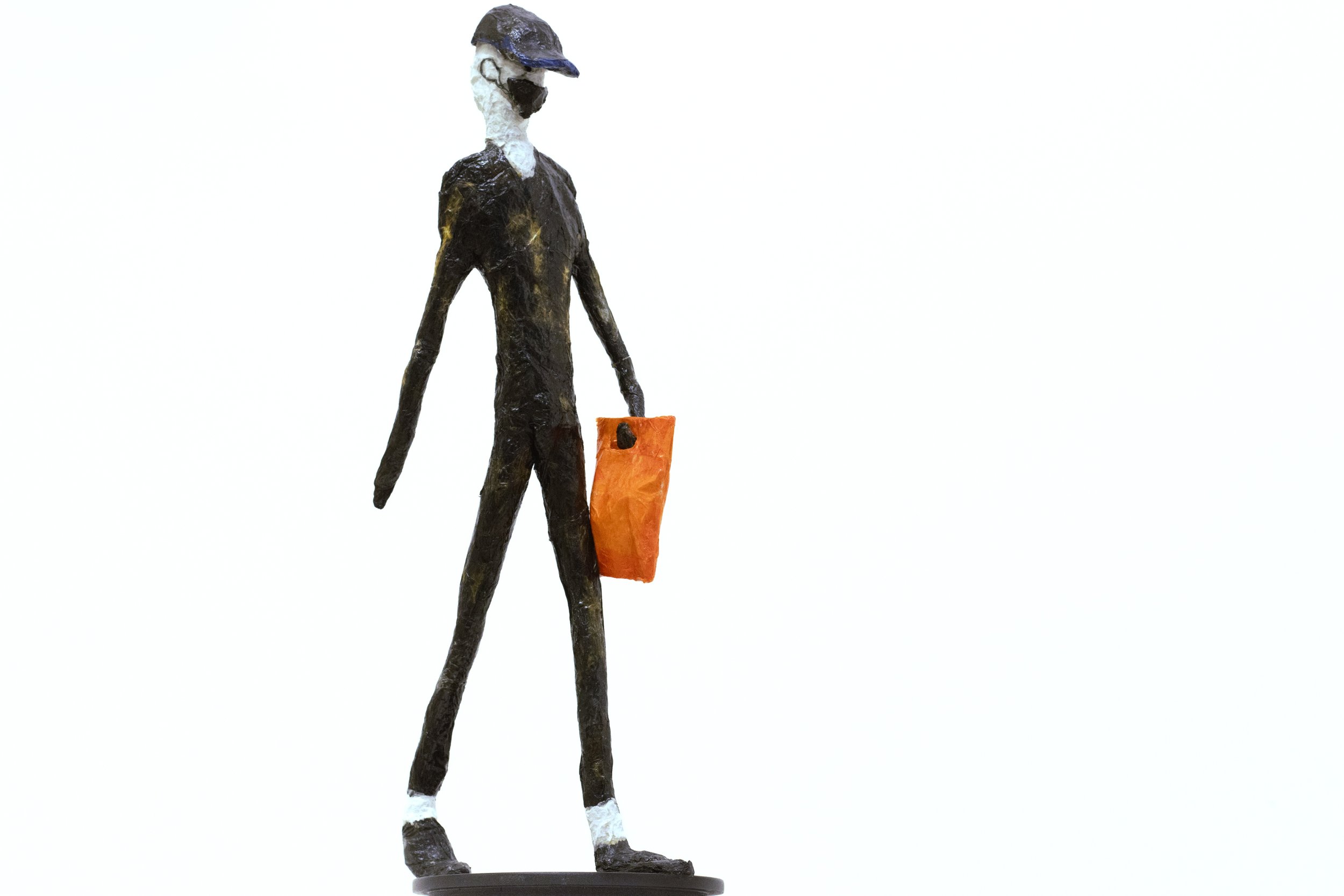
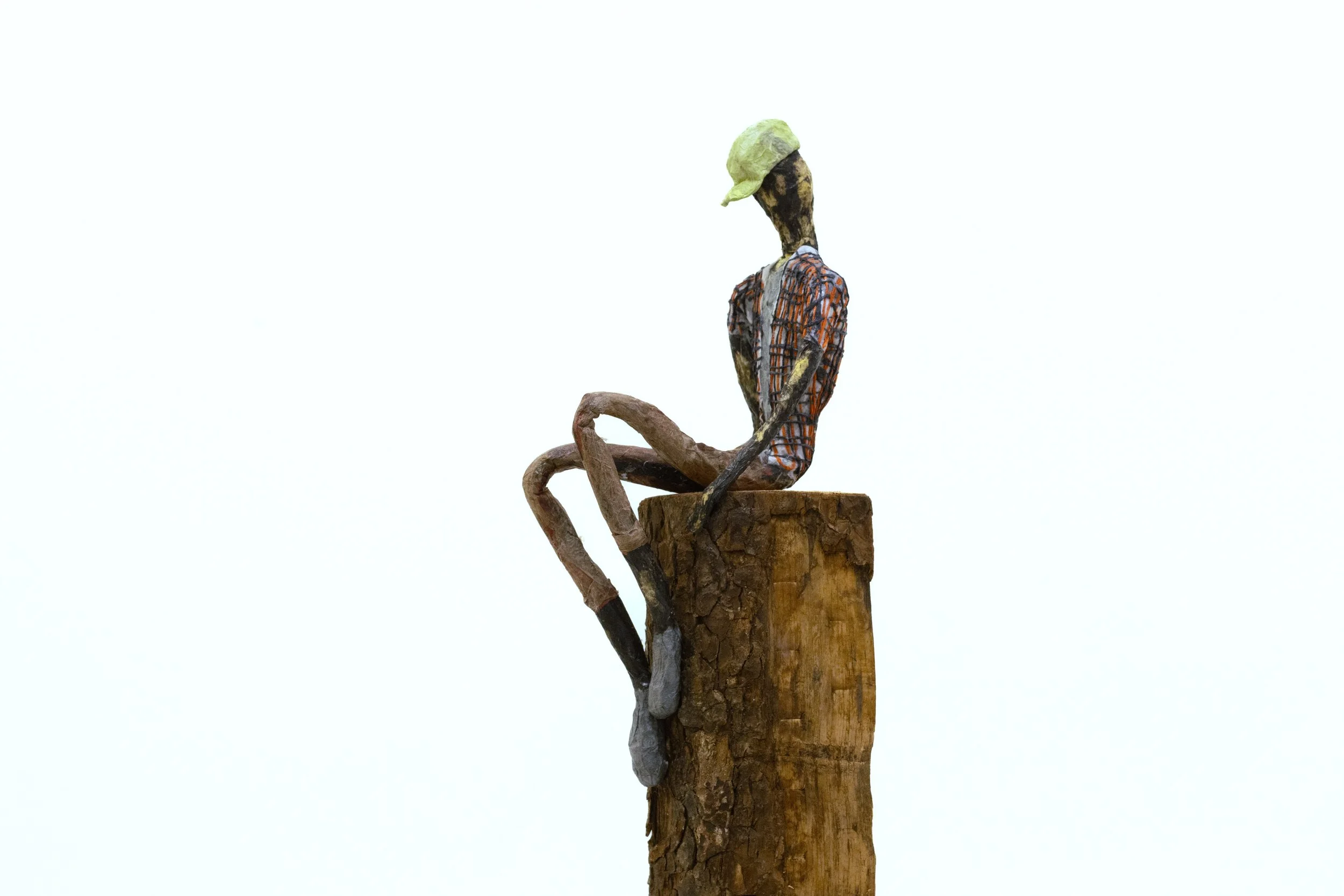
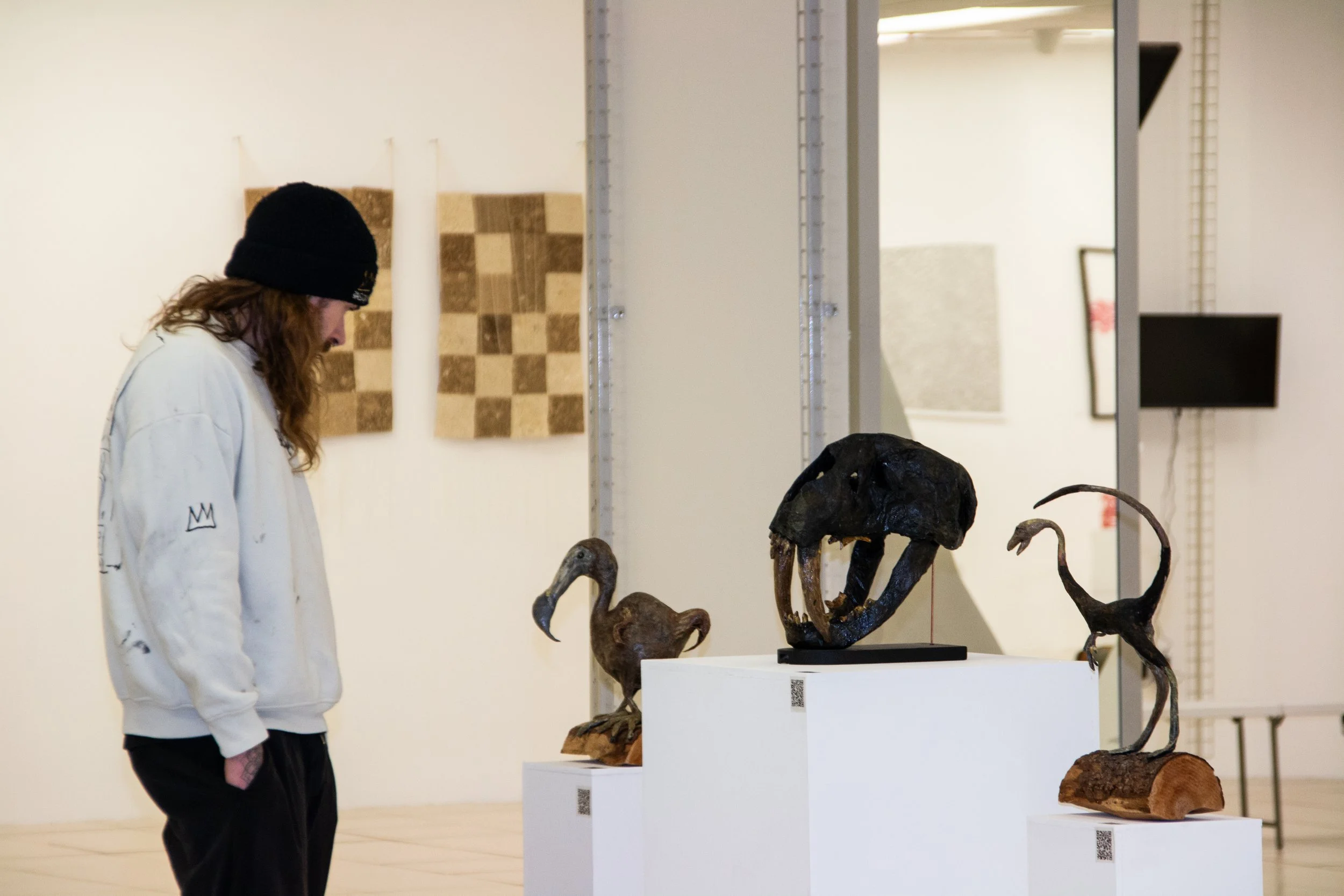
Era [Pandemic]
No Pants [Half Alpaca Half Giraffe Alpaca-Raffe], 2020
Hare, 2020
Pandemic Stranger, 2020
Octopus 1 (On Wood), 2020
———
Era [Pandemonium]
Dolphin, 2021
Rhino, Elephants, Lizards, Frog, 2021
Killing Me Softly, 2021
Diplodocus, 2022
Ducks, 2022-2023
———
Era [The Outside]
Dodo, 2022
Horseshoe Crab, 2023
Chameleon, 2023
Monkeys, 2023
Big Octopus, 2023
———
Era [Backwards]
Baby t-rex, 2024
Velociraptor Longer snout, small skull, 2024
Strangers, 2024, Boscombe Strangers, figures on wood
Big T-rex, 2025
Small Therapod, 2025
Dilophosaurus, 2024,
Fish skull, 2024,
Plieosaur, 2025
Saber-Tooth, 2025
Cardboard, Tape, Paper, Glue, Ink
Dudley Ladd
Dudley Ladd is a self taught sculpture artist. Working from his apartment, Ladd produces figures out of everyday, house-hold items. His work explores a sense of observation and reflection over the past five years of his life. Ladd describes his art as a reflection of pandemic-related themes, such as confusion and miscommunication, exemplified by the pieces: Octopus and Dodo.
My name is Dudley Ladd and I am based in Christchurch. I have lived in Christchurch for three years. Since 2010 I’ve lived in BCP. I worked in social services, specifically in an adult day care centre. I have been making art for five years, since Covid. I used to run a workmen's group that painted pots and furniture, but I was more of an idea person than a maker. I started making art during Covid at my old home in Boscombe, in the hallway outside my kitchen. I use old envelopes, boxes from deliveries, sellotape, and different coloured tissues to create sculptures. I start with flat pieces of paper, screw them up, join them together, and mould them into shapes, then layer them with tissues and seal them.
The octopus was inspired by the confusing government instructions during Covid, symbolising having many hands to do different things. The dodo represents people who didn't take any instruction during Covid, like a flightless bird with no good flapping. Making art gives me serenity and peace; I never get frustrated or agitated with it. I often have more than one piece going at a time to keep my interest and avoid boredom. Some pieces take ages, especially smaller ones that require careful shaping and stiffening. Art is a form of therapy and self-help for me.
